
- Article
- Source: Campus Sanofi
Strengthening Djibouti’s fight against non-communicable disease
How a three year collaboration between CNSS and our Global Health Unit is reshaping NCD care and patients’ lives in Djibouti.

Djibouti marked a major milestone as its National Social Security Fund (CNSS) and our Global Health Unit (GHU) celebrated the successful completion of a three year partnership designed to strengthen the country’s capacity to prevent, diagnose, and manage non communicable diseases (NCDs). This was one of the first program partnerships launched by the GHU.
Announced at a ceremony at the Ayla Hotel on February 12, 2026, the program’s impact is already visible in hospitals, in pharmacies, and most importantly, in the daily lives of the thousands of Djiboutians living with chronic illnesses such as diabetes, hypertension, and cancer.
Building a stronger health workforce
For a country where NCDs continue to rise and place pressure on health services, the initiative represents a shift toward sustainable, system level solutions. More than 300 healthcare professionals received specialized training through a blend of in person instruction, e-learning, and clinical experiences in Senegal and Côte d’Ivoire.
Dr. Warsama Osman Abdi, Program Director at CNSS, highlighted the positive impact of the investment in professional development:
“This partnership with Sanofi’s Global Health Unit has fundamentally transformed our capacity to address the growing burden of non-communicable diseases in Djibouti. We successfully trained 167 healthcare professionals through in-person sessions, with strong knowledge improvement rates of +18% for nurses, +34% for midwives, and +22% for general practitioners. The comprehensive training of our healthcare workforce, combined with improved access to essential medicines, has created a sustainable foundation for better patient outcomes.”
Beyond the classroom, the program’s reach extended online, enabling 162 learners, 66 physicians and 96 paramedical staff to strengthen their expertise through UNFM’s e learning platform. Knowledge gains reached as high as 48% in critical areas such as diabetes management, nephrology, and cardiovascular care.
Strengthening the supply chain that patients rely on
But a trained health workforce is only part of the equation. Patients living with chronic diseases depend on a reliable and affordable supply of essential medicines, a challenge this partnership tackled head-on.
Through the initiative, supply chain management training was provided to 109 pharmacists across the country, while 12 staff from Djipharma, the central pharmacy, received technical and operational support to strengthen procurement processes.
This behind the scenes work may be invisible to patients and their communities, but its effects are widespread. Since the partnership began, 29,000 people in Djibouti have gained access to the GHU's portfolio of NCD medicines. For families managing long term conditions, consistent access to treatment can mean the difference between stability and complication, between staying in school or work and being sidelined by illness.
A model of sustainable Impact
For our Global Health Unit, the program shows how cross-sector partnerships rooted in capacity building and accessibility rather than short-term donation, can shift the health landscape trajectory for underserved communities.
“The remarkable results we've achieved together with CNSS demonstrate the power of sustainable partnerships in strengthening healthcare systems,” said Jon Fairest, Head of the Global Health Unit. “By focusing on both healthcare professional capacity building and supply chain resilience, we've created lasting impact that will continue to benefit patients long after the formal program concludes. This exemplifies our commitment to increasing access to healthcare through not just medicines, but through comprehensive system strengthening.”
Across Africa, where NCDs increasingly strain healthcare resources, Djibouti’s experience underscores what is possible when local institutions and global partners join forces. A stronger, more resilient system means earlier diagnosis, more effective treatment, and fewer preventable complications outcomes that change lives across generations.
Looking ahead
While the three year program has concluded, its impact will endure through the thousands of patients who will continue to benefit from trained clinicians, and a strengthened supply chain for essential medicines.
For Sanofi’s Global Health Unit, the program adds to a growing footprint of impact across 40 countries where it works to deliver not for profit treatments, support social businesses, and invest in healthcare innovators.
More importantly, for people living with chronic diseases in Djibouti, this partnership represents hope: hope for earlier diagnosis, better treatment, and healthier futures.
The National Social Security Fund (CNSS) is a public body responsible for social security management in the Republic of Djibouti. Since implementing Universal Health Insurance in December 2014, CNSS has been responsible for expanding healthcare coverage to the entire Djibouti population.
Our Global Health Unit is a pioneering, not-for-profit social business model with a mission to improve the lives of underserved populations in 40 countries with the highest unmet medical needs. Since 2022, the Global Health Unit has reached over 1.1 million patients with non-communicable disease treatments and supported training of over 37,000 healthcare professionals.
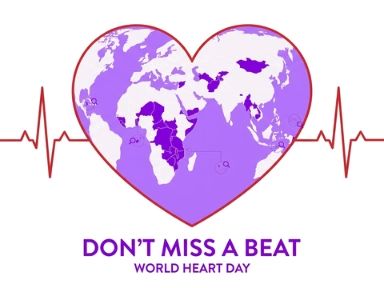
Edito September 2026 – World Heart Day 2026 – “Don’t Miss a Beat”
Cardiovascular diseases can remain clinically silent for years, yet early detection saves lives.
Hypertension: how is it diagnosed?
This August edito presents the second video in Doctor Abdoul Kane's educational series on hypertension, focusing on how the diagnosis of hypertension is made.
Everything you need to know about hypertension: a new 7-episode educational series
This July edito launches a series of educational videos by Doctor Abdoul Kane on hypertension, covering everything from essential concepts to optimal patient management.
tenSecondPopup
If you are a HealthCare Professional and you would like to know more about the scientific content and resources we are offering
Please get registered to our website!
Discover the impact.sanofi website
Playing this video will share cookies with YouTube.